Focus Areas
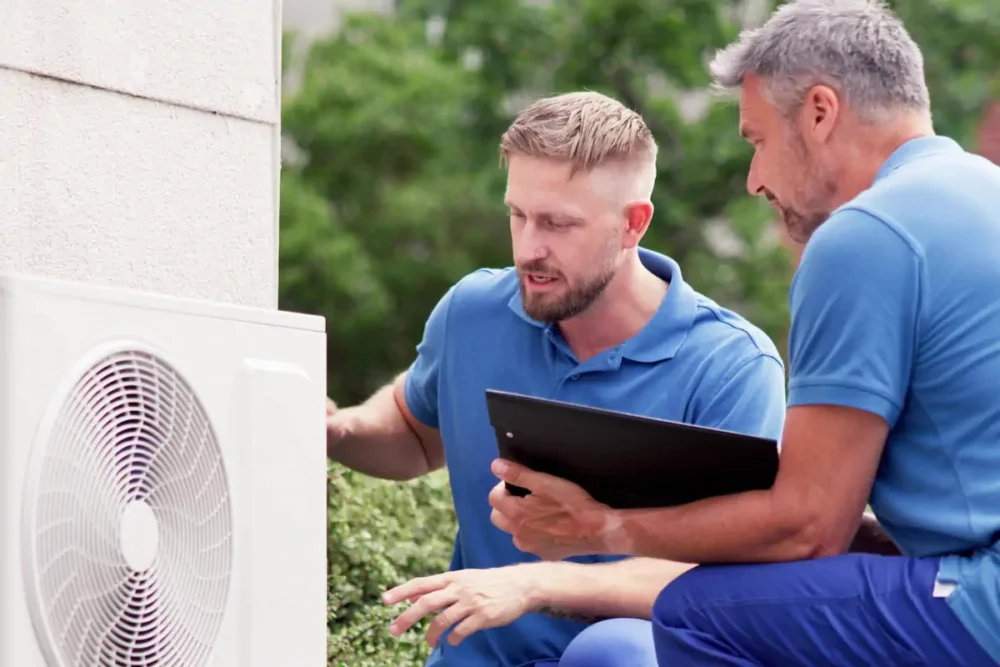
Advanced Energy United advocates for state and federal policies, legislation, and regulations across the country that accelerate the adoption of electric technologies in homes and buildings. Through strategic engagement with lawmakers, regulators, and public utility commissions in states across the country, United is creating a stronger market for electric heating, cooling, and home appliances. This work goes beyond just replacing outdated systems; it helps bring more affordable, reliable, and efficient energy options directly to customers and businesses by enabling the integration and aggregation of distributed energy resources and grid flexibility with residential and commercial buildings.
How We Work
Educate
Provide research and technical expertise on advanced energy technologies and policies, acting as a resource for state decision-makers across the country.
Advocate
Advocate in state legislative bodies and Governor’s Offices for policies that allow advanced energy solutions to compete fairly in the market.
Activate
Engage energy consumers and empower voters to support political leaders who champion advanced energy through our social advocacy arm, Counterspark.