The Problem
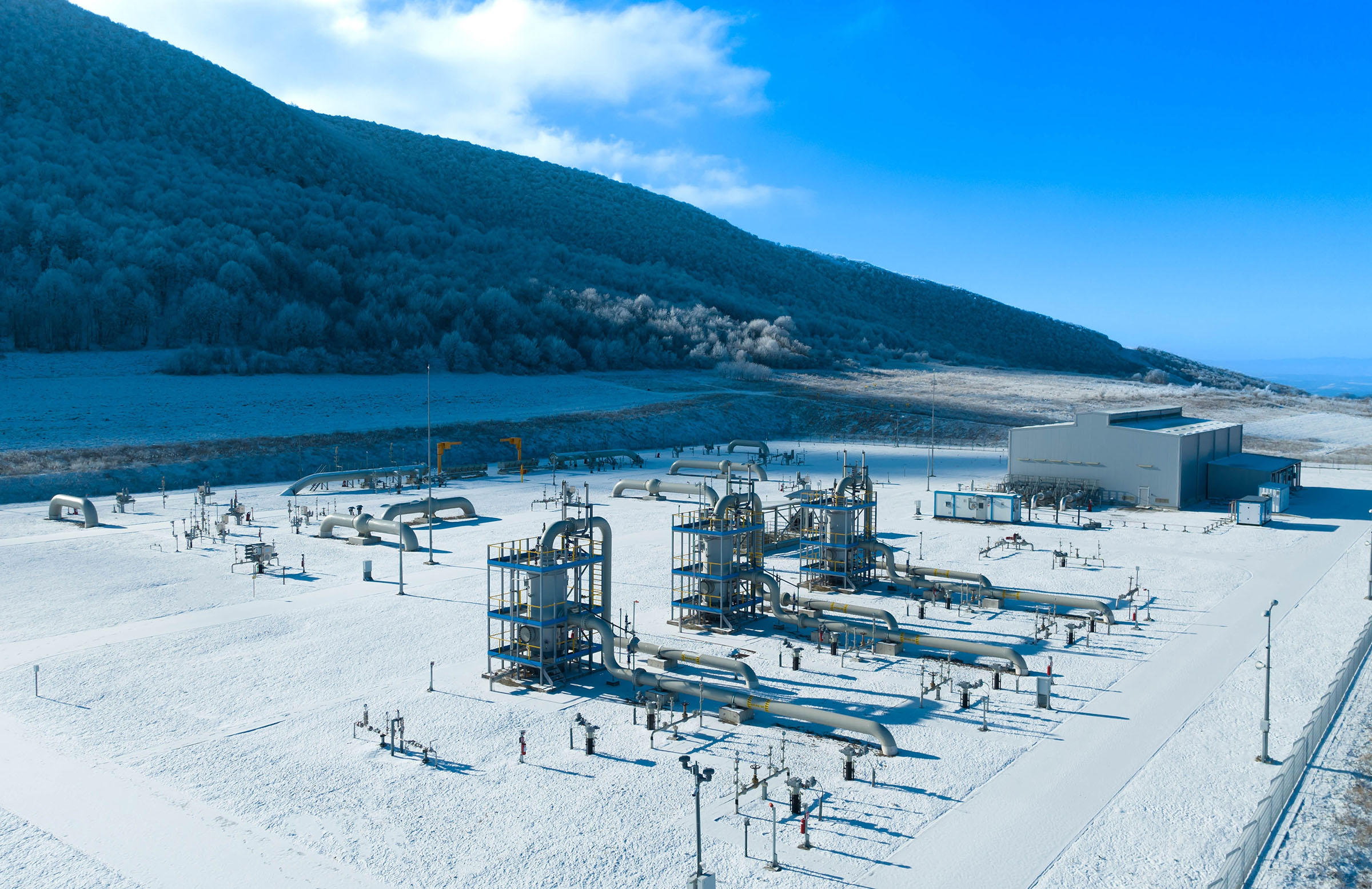
Colorado has ambitious goals to provide its residents with increasingly clean and affordable heat. But for decades, gas utilities were building and replacing pipelines (with money collected from ratepayers’ monthly bills) without ever considering whether there were cheaper ways to serve their customers’ energy needs, and without much meaningful oversight by their regulator. As the pipeline network aged, spending on projects was accelerating rapidly. Across the country, over $28 billion per year was being spent on distribution pipelines (compared to just $7 million in 2011).
Mindful that those billions of dollars were driving energy bills up, and that the pipeline infrastructure was going to be less and less useful as Coloradoans adopted cleaner and more efficient home heating technologies, the Colorado Public Utility set out to re-imagine its regulatory framework for gas utilities.
Advanced Energy United has long been a proponent of regulatory modernization, publishing the first ever Blueprint for 21st Century Gas Planning and presenting it to regulators and stakeholders across the country. Central to the updated planning framework are assessments of Non-Pipeline Alternatives (NPAs). Just like Non-Wires Alternatives help electric utilities identify lower-cost solutions to solve for grid needs; NPAs help gas utilities leverage portfolios of advanced energy solutions (e.g. heat pumps, energy efficiency, gas demand response, thermal energy networks) to avoid the most expensive and risky pipeline projects. Without robust gas planning and required NPA assessments, gas utilities would continue to plan and develop their systems as they always had – by defaulting to pipelines without comparing their options. In this way, advanced energy solutions never had the chance to compete – or deliver savings for energy customers – for the business of providing cleaner and more affordable heat.
The Solution
Supported by Advanced Energy United’s thought leadership, educational efforts, and docket engagement, Colorado approved the development of new rules around how Xcel would plan gas infrastructure projects and consider alternatives that leverage greater use of clean building technologies to avoid pipeline costs. That new regulatory framework directly led to the identification and design of the Mountain Energy NPA.
Facing a gas capacity shortfall, the Summit County communities in the Colorado Rockies needed pipeline system investment initially pegged at $300 million. The customers, part of the Eastern Mountain Gas System in Xcel Energy’s service territory, with a population of about 33,000, wanted to know if there were other options. The community had a carbon emissions reduction goal and also had concerns about being stuck reliant on expensive gas infrastructure and supply at a time when the cost of advanced, clean energy is dropping.
So, in its first-ever Gas Infrastructure Plan, Xcel initiated an assessment of whether Summit County could get its energy elsewhere – the largest and most ambitious project of its kind to date. The resulting project, the Mountain Energy NPA, plans to use dollars that would have been spent on traditional gas infrastructure to support energy efficiency, electrification, and demand response. Residents and businesses in the in the affected areas will benefit from new programs and incentives that will save them money on their monthly bills now, and save them money long-term by avoiding expensive utility infrastructure.
The Result
The Colorado Public Utilities Commission approved the Mountain Energy NPA in November 2025. This means that instead of relying solely on major gas pipeline upgrades, Summit County would instead invest in a portfolio of technologies, including increased building electrification, like switching to heat pumps, as well as energy efficiency upgrades, and demand response programs.
Best of all for Summit County, this plan would cost Xcel’s gas customers about half of the traditional gas pipeline upgrade option!
“2026 will be the year of electrification,” said Breckenridge Sustainability Manager Jessie Burley, in providing an update to her town council about the project. And now, residents can get “very generous incentives” from Xcel to swap out their dirty appliances, she added.
As more Colorado cities and communities assess their future energy needs, the Mountain Energy project will offer a model from which they can build their own customized solutions that leverage the growing clean building technologies market.
At A Glance
Our Role
Advanced Energy United helped create a new, best-in-class regulatory framework to assess gas infrastructure spending in Colorado, which enabled Xcel Energy to build a project that saves mountain communities over $150 million by deploying clean building technologies.
The Impact
Colorado’s Summit County communities will benefit financially from Xcel’s Mountain Energy Non-Pipeline Alternative (NPA) project, which cut energy capital costs in half by investing in energy efficiency, demand response, and building electrification.
2026 will be the year of electrification... [And now, residents can get] very generous incentives from Xcel to swap out their dirty appliances.
Jessie Burley, Breckenridge Sustainability Manager, in providing an update to her town council about the project.