The Problem
Coloradans want to electrify their homes, vehicles, and businesses, but the state’s antiquated electric grid wasn’t built to accommodate the additional demand. Grid upgrades are needed, but utilities have been making slow, incremental piecemeal changes.
The challenge wasn’t just aging infrastructure, but also the lack of a policy framework to fully leverage distributed energy resources (DERs) as part of the solution. Technologies like home batteries, electric vehicles (EVs), EV chargers, and smart thermostats offer significant value to the grid, but there was no clear pathway to integrate them into the distribution system or to be compensated for the services they provide.
As a result, these valuable resources remained underutilized, slowing electrification, limiting consumer savings, and increasing system costs.
Advanced Energy United recognized that smart policy could accelerate the adoption of DERs, virtual power plants (VPPs), and EV technologies while maximizing the value of flexible, affordable resources through a scalable VPP framework.
The Solution
Advanced Energy United helped build a broad coalition of supporters and worked very closely with policymakers and industry partners, including Xcel Energy, to develop SB24-218. Senators Steve Fenberg and Chris Hansen sponsored and advanced the legislation after hearing from Advanced Energy United’s member companies about the barriers they faced in bringing DER technologies onto the market.
This first-in-the-nation ‘Grid of the Future’ law requires electric utilities to proactively plan and make large-scale strategic improvements, making it easier and cheaper for customers to connect energy resources like rooftop solar and EVs to the grid, and to establish a VPP program.
The VPP program required by SB24-218 is designed to enable DERs to work together as a flexible, reliable grid resource. The law established a pathway to an open-access, performance-based tariff, allowing any qualified DER aggregator to deliver grid services and be compensated based on the measurable value they provide.
Passing legislation was the first step; the year-long regulatory process that followed helped translate policy into a fully established VPP program. Advanced Energy United played a leading role in the proceedings to set up the program and related settlement negotiations, working with utilities, regulators, and stakeholders to structure the VPP program. Advanced Energy United advocated to ensure that compensation, performance requirements, data access, and customer protections were in place to encourage strong participation and deliver results from the start.
The Result
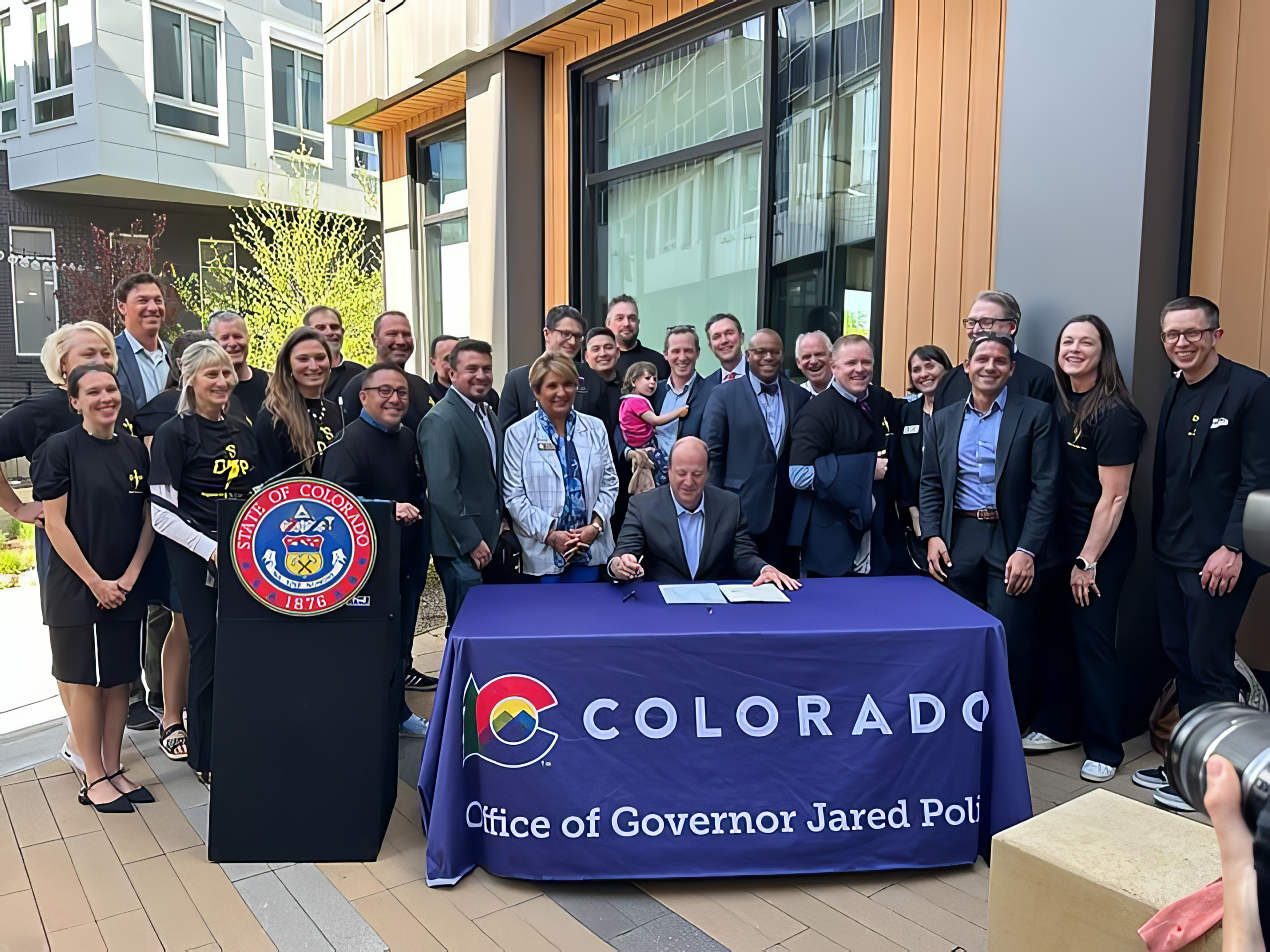
After we built bipartisan support for the legislation, championed it across the finish line, and celebrated Governor Polis’ signing of the bill, we then participated in regulatory proceedings, led settlement negotiations, and ultimately developed a robust, open-access virtual power plant program in Colorado.
By embedding VPPs into distribution system planning and compensating them appropriately, Colorado created a model where DER aggregators can participate in a competitive market and deliver real value. The program that was once just a concept is now live and running.
Colorado’s model demonstrates what’s possible when policy, regulation, and implementation align to unlock the full value of DERs. It serves as a national example for utilities, regulators, and policymakers seeking to modernize the grid, lower costs, and scale advanced energy technologies through market-based solutions.
By modernizing the state’s distribution planning and interconnection processes to make them more transparent, thorough, and reflective of load management technologies that can significantly reduce the need for costly upgrades, Colorado’s electric grid will be cleaner, more reliable, and more affordable for all ratepayers.
At A Glance
Our Role
Advanced Energy United helped inspire and champion first-in-the-nation legislation in Colorado, and then led the year-long regulatory process to turn it into a functioning VPP market, which was enthusiastically supported by the advanced energy industry.
The Impact
Proactive distribution grid planning and investment by Xcel Energy will make it easier for households and businesses to take part in electric vehicle (EV), virtual power plant (VPP), and distributed energy resource (DER) programs while creating a scalable VPP model that benefits the grid and customers
SB24-218 helps make Colorado a national leader in creating a ‘grid of the future’ that can host cost-effective, reliable, and clean DERs.
Raghav Murali, Head of Policy & Government Affairs, PowerFlex