Sustainable Future Funding Signals Strong Commitment to Affordable Clean Energy in New York
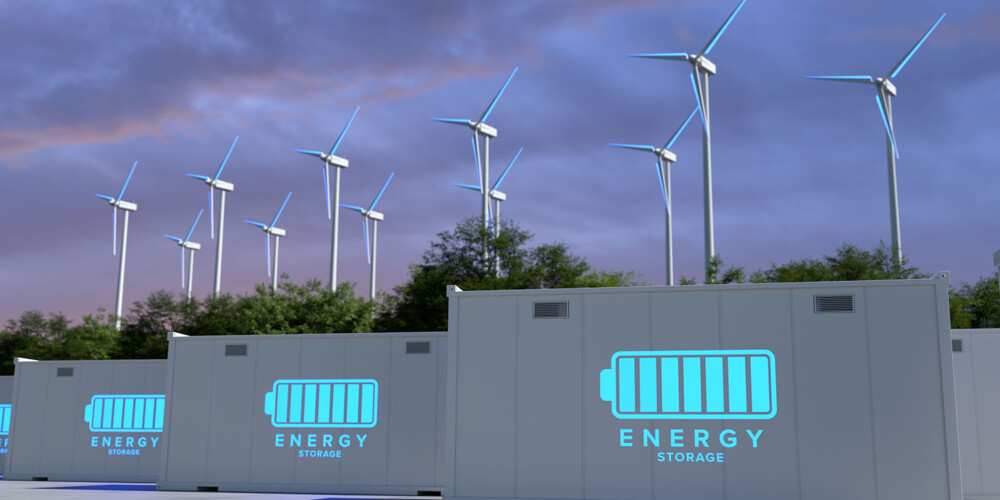
One-House budget proposals include $1 billion for the Sustainable Future Program to accelerate grid upgrades and advanced energy investments
ALBANY, NY – The New York Legislature today advanced its one-house budget proposals including $1 billion for the Sustainable Future Program, a major investment aimed at modernizing the state’s energy system while helping keep electricity costs manageable for New Yorkers.
“New York lawmakers are putting real money behind the technologies that will keep the grid reliable and energy bills affordable,” said Kristina Persaud, New York Policy Lead at Advanced Energy United. “This is the kind of forward-looking investment we need right now. This program will help unlock advanced energy technologies that strengthen the grid, support economic growth, and deliver real savings for New Yorkers for years to come.”
The Legislature’s proposals reflect growing recognition that strategic investments in advanced energy infrastructure can help meet rising electricity demand while protecting consumers from unnecessary cost increases. The $1 billion allocated would support a suite of cost-savings measures including electric school buses, building electrification, transportation electrification infrastructure, and more.
Additionally, the Assembly included a sales tax exemption for commercial battery energy storage systems to support energy affordability while creating good jobs and enabling a more reliable grid. And the Senate included the Accelerate Solar for Affordable Power Act (ASAP), which expands the state’s distributed solar goal and seeks to bring affordable power online quickly by reducing interconnection costs and timelines.
“We look forward to working with the Governor and legislators to ensure these investments remain a priority in the final state budget,” added Persaud. “Modernizing our grid isn’t just a climate goal; it’s an economic necessity.”
The one-house budgets mark the next step in the state budget process as lawmakers and the governor now negotiate a final agreement ahead of the April 1 deadline.