Michigan Legislators Take Important Step Toward More Reliable, Affordable Grid
A state committee passed two bills that would create virtual power plant programs and help ease costs for residents
LANSING, MI – Michigan legislators today took an important step toward making the state’s energy grid more reliable and easing the cost burden for consumers.
The Senate’s Energy and Environment committee passed Senate Bills 731 and 732, which would require Michigan’s two main investor-owned utilities, Consumers Energy and DTE Energy, to establish technology-inclusive virtual power plant (VPP) programs within about six months of the bill’s passage. The bills are sponsored by Senators Sue Shink and Jeff Irwin.
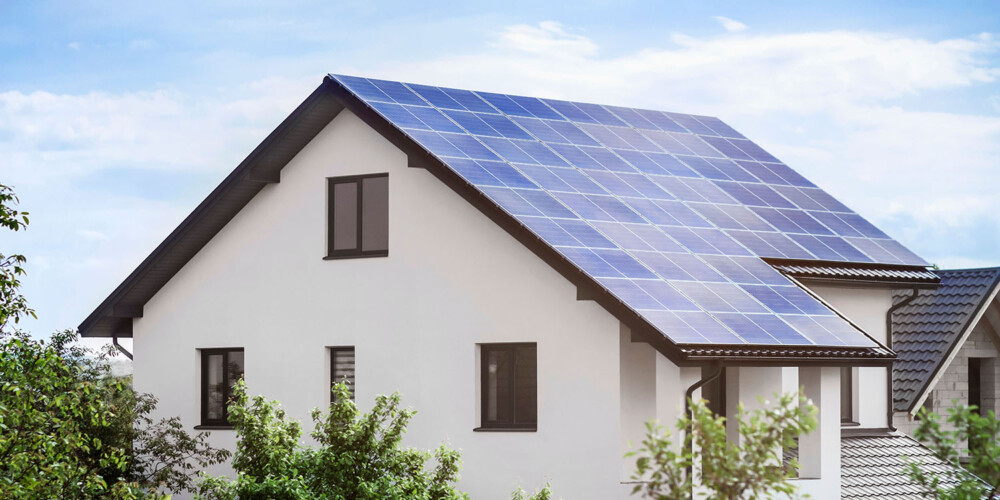
Virtual power plants allow people to opt in to using the tools already in their homes and businesses to send power to the grid and reduce the amount of power they need from the grid. Tools include solar paired with battery storage, smart thermostats, smart appliances, and electric vehicles (EVs), that when coordinated together can work like a power plant from the perspective of a grid operator. Homeowners would be paid for taking part, and even people who don’t own these tools benefit from improved reliability and cost savings.
The bills now move to the full Senate for consideration.
Michigan, like states throughout the country, is facing evolving energy demand from new manufacturing, data centers, and consumer adoption of electric technologies. This changing demand is further straining an already unreliable grid. In fact, Michigan’s utilities have and continue to face scrutiny because of their aging distribution system and unreliable service. Michigan takes longer than any other state to restore power after outages.
“It’s time Michigan re-thinks the way it powers its grid, because the old way has made it increasingly unreliable and unaffordable,” said Advanced Energy United’s Michigan Policy Lead, Samarth Medakkar. “A VPP program would prevent outages without having to undergo the long process of building a traditional power plant. Home battery storage, rooftop solar, and smart thermostats can supplement and even serve as an alternative to costly grid infrastructure fixes that would otherwise be needed to address frequent power outages.”
Senate Bills 731 and 732 would allow homeowners and business owners who have the relevant tools to enroll their devices in the program, which would be managed by the Michigan Public Service Commission. Participating residents would essentially serve as a collective power plant, lowering electricity prices while also making Michigan’s distribution and transmission systems more reliable.
VPPs benefit all consumers, not just those with the resources, because they:
- Reduce energy demand during peak hours, such as extremely cold or extremely hot days,
- They quickly deploy energy when needed, reducing the need for updated or new gas peaker plants, which are the most expensive energy generators, and
- Target strained circuits and transformers.