California Turns Its Back on Proven Low-Cost Reliability Program
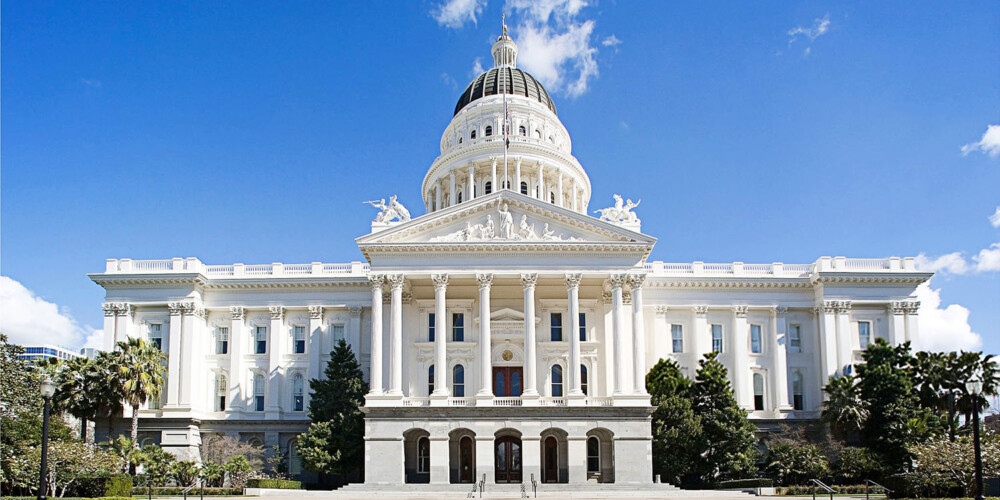
Lawmakers fail to secure funding for nation-leading virtual power plant program, putting a proven solution at risk as Californians continue to face rising energy costs
SACRAMENTO, CA—The California legislative session is wrapping up, and lawmakers have failed to secure additional funding for the successful Demand Side Grid Support (DSGS) program.
The failure to fund DSGS creates uncertainty for a proven flexible energy resource during a time when we need to be scaling up clean energy deployment, not restricting it. Californians face rising electricity costs, growing demand, and more prevalent extreme weather events, and it is incumbent on decisionmakers to modernize our grid to meet these new realities.
DSGS has scaled to more than 1GW of dispatchable capacity, comparable to half of Diablo Canyon for a fraction of the price. With participants from every legislative district in the state, the program has demonstrated that Californians of all backgrounds want a more flexible grid. DSGS leverages otherwise untapped potential from existing customer-owned devices such as solar and battery storage, electric vehicles, and smart thermostats, helping California meet peak demand faster, cheaper, and cleaner than costly peaker plants. These devices can and should be assets that California uses to meet growing electricity needs.
The program is currently funded only through the end of 2026, putting the future of this successful program at risk as the state continues to face an energy affordability crisis.
Brandon García, Advanced Energy United’s California Director, issued the following statement:
“California achieved a monumental clean energy milestone by creating one of the nation’s largest virtual power plant programs with a third of the funding that it was originally promised. By failing to allocate funding for DSGS in the last days of session, the state, for no discernible policy reason, chose to leave this critical reliability and affordability program on the cutting room floor.
Californians deserve better. DSGS is a successful program by any metric, but it has been left with no funding for next year. With 73% of voters supporting incentivizing consumers to contribute excess power back to the grid, failing to fund this program is extremely shortsighted and shows a massive disconnect from what California voters see as a solution to our energy affordability crisis.
Decisionmakers cannot keep overlooking these flexible, cost-saving solutions because of outdated assumptions. The next session will bring a new administration and new policymakers who must recognize that California needs to use every solution available to lower costs and strengthen the grid. That means giving DSGS a durable, long-term funding pathway rather than forcing this proven program to fight for funding year after year.”